It was very pleasing to learn today that the number of women on FTSE 100 boards looks likely to exceed its target, avoiding the need for quotas.
“Women are joining FTSE 100 boards at such a fast rate that they are likely to exceed the target of 25 per cent female directors by 2015,” an official report said today, a year after Lord Davies, the former trade minister, set the target in a high-profile review of women on boards.
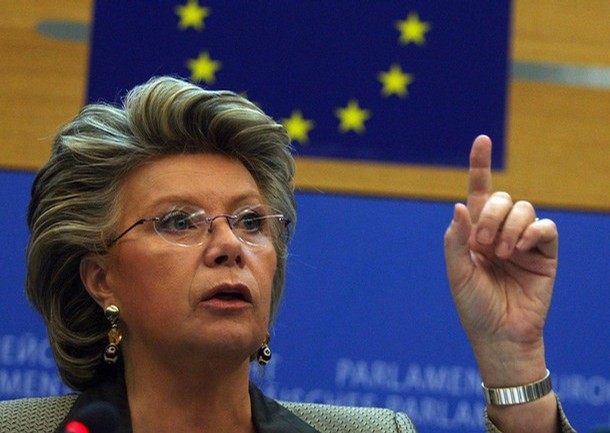
A Cranfield School of Management’s study shows that a 30 per cent figure is achievable within four years without implementing the mandatory quotas proposed by Viviane Reding, the European Union justice commissioner.
Lord Davies said: “I believe that we are finally seeing a culture change taking place right at the very heart of British business in relation to how women are seen within the workforce. It will confirm that the proportion of women on FTSE 100 boards has grown from 12.5 per cent in 2010 to 15.6 per cent at the start of this month. Previously, the figure had plateaued for three years.”
However, let’s not celebrate too much, we are reminded about how much more needs to be done for female equality in the boardroom.
According to Jill Treanor writing in The Guardian, one in 10 of Britain’s biggest companies still do not have any women on their boards. In comparison, Norway’s stock market listed companies are required to have 40% female representation – although some companies are thought to have de-listed their shares to avoid complying. Additionally, Norway has 38% of women MPs.
Norway also tops a prosperity league table and is proud to be a “leading advocate of holistic understanding of prosperity, one that combines wealth and well-being as measures of individual and national prosperity.â€
I wonder how much of that ethos was influenced by women on the board. It’s certainly a philosophy we should endorse here.
Goes to show one should read more carefully. I came rushing in, thinking it said “Women’s winning bedroom formula”, Ellee.
I find it ironic that the Tory Party is the only one to have put a woman into power and that our constitional monarchy frequently puts women into the top position and yet the Left claims the high ground on feminism.
Ladies first in every field