With publishers still adapting to the uncertainties of promoting authors in the digital era amid increased demand for ebooks (the huge sale of Kindle readers over Xmas took them by surprise), it is reassuring to know that there is no shortage of budding authors waiting for their big break. Many members from creative writing classes sat captivated as they were advised about getting that elusive deal from experts at Cambridge Wordfest this weekend.
I was impressed with the advice given by prolific Nicola Morgan, who has an impressive 90 published titles under her belt – even though it took 21 years of trying to get her first big break. But, at least, she never gave up. She happily shared tips on how to “shine out from the slush pile”, how publishers can tell by reading the first couple of paragraphs if it is going to be a success.
Being a good writer is not a guarantee for success either. The key question is, will it sell? One only has to look at Katie Price’s books – who Nicola caustically accused of having “written” more books than read – to get her point across. While acquisition meetings to discuss new commissions used to be run by an editorial team, it is now make up by sales and marketing, and the editor has to convince them that the book will make enough sales to get their advance back – and more. You need that hook which will convince publishers you have a winner on your hands.
If you want to know more, then do pre-order Nicola’s next book on this subject, Write to be Published, which explains why publishers and agents say ‘no’. Her view was that you could successfully pitch directly to publishers with a good submission, that Penguin invites new writers to submit to them once or twice a year – but I’m not convinced how easy that is to do without a literary agent, and finding an agent is a great challenge in itself.
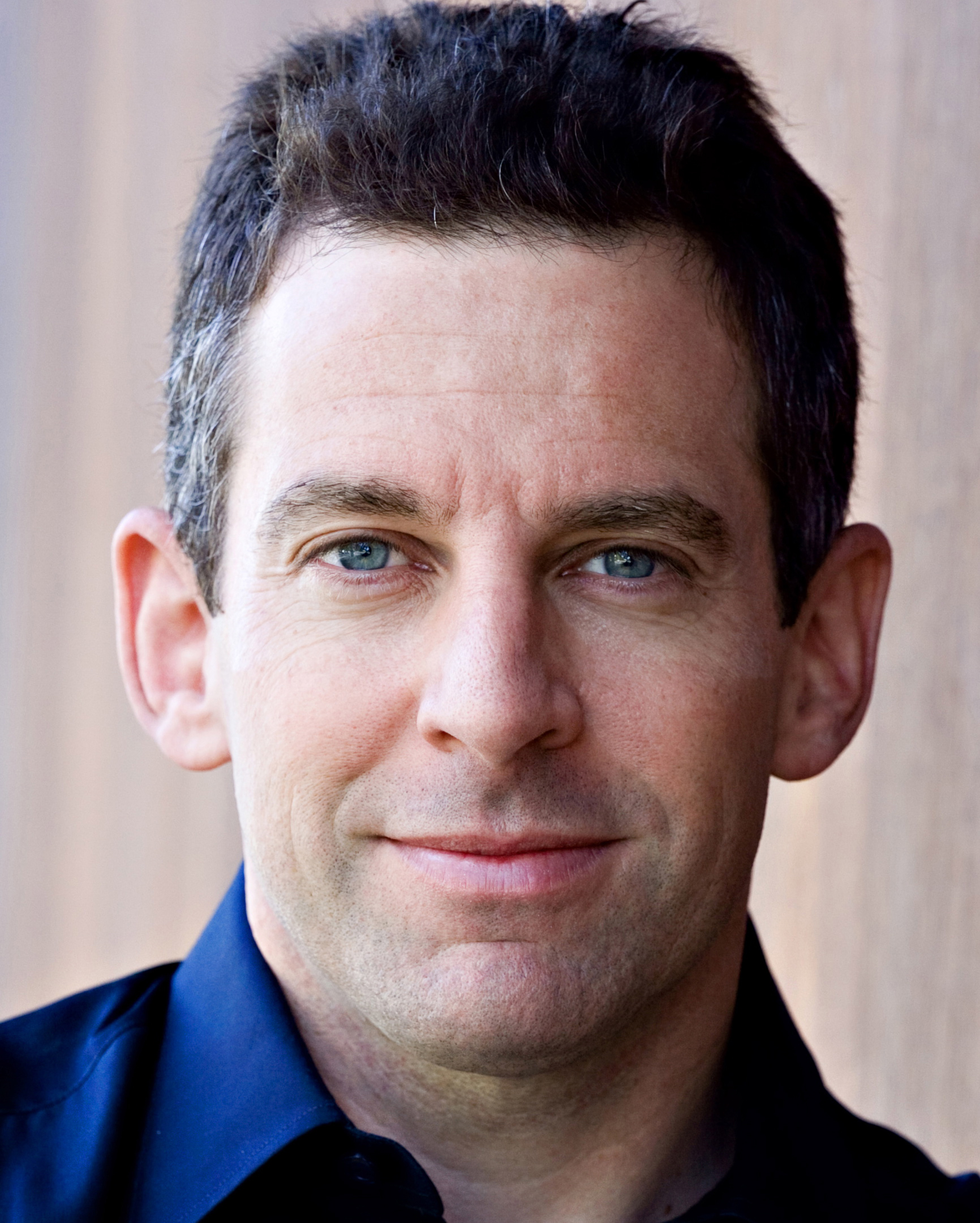
Controversial neuroscientist Sam Harris reckons an agent is a necessity. Best selling author of the The Moral Landscape, (was he really accompanied by a body guard? He seemed to be following a “heavy” around the hallowed Cambridge Union Chamber), he gives tips on his blog about getting published, and describes being signed up by a literary agent as essential.
However, the message was clear over the weekend, that publishers are keen to find new talent, they are keen to discover new writers. So keep writing!
We met some who have just published their first book;Â Luke Williams had spent 10 years writing The Echo Chamber; former Tate curator Mary Horlock was inspired by her childhood diaries for her debut novel, The Book of Lies; and Limerick writer Kevin Barry has cinched the icing on the cake – a film is being made of his first book, City of Bohane, and he is now writing the screenplay; I can see this will be the first of many books set in the once great city of Bohane.
Well done to all at Wordfest. It was a tremendous weekend. I enjoyed meeting Wikileaks writers David Leigh and Luke Harding and don’t blame Julian Assange for feeling betrayed by The Guardian when it splashed on the sex allegations against him after he worked closely with them and trusted them, but then I can understand why the Guardian couldn’t hold back on it either. I admired Peter Taylor’s bravery in meeting so many terrorists over the last 35 years which he has written about in Talking to Terrorists, and couldn’t resist listening to academic Stefan Collini’s lecture on the future of our universities. We all walked out the room feeling depressed at the uncertainty which lies ahead, the huge debt which our future students will be responsible for, the impact on funding teaching in universities, and the shambles surrounding these changes which have to be implemented very soon. Crucially, it is estimated that only half of students will pay the money back.
Roll on Wordfest 2012. I’m planning to sign up as one of your Best Friends.
Ellee, thats a very inspiring article. I’m trying to learn to be a good writer myself. Sometimes its hard to let the ideas flow. Thank you.
Kev
Very interesting, Ellee. I might get Nicola’s book.
Hi Elle,
While I know that the publishing industry has been tough on authors of late, I think that the vast amount of written communication I read these days are in forums and blogs such as this one.
In a funny twist, as my high school English teacher gave me no inspiration, I too have turned into a makeshift author. Not of big expensive books, but as a necessity to add interesting original content to my website. I think myself, and a few other careful, protective site owners are really holding the flag up in making an effort to bring originality and analysis to their chosen topics. For instance my background is as an analyst, and now being a dog walker, I often marry the two professions together.
This means that while my articles are not two hundred pages long, with many plot twists, they are extensive by comparison to simple blog posts, or some comments that pro seo people use in ‘spamming’ forum sites. While creating articles of rich value is time consuming, meaning that I cant post five a day to article sites, I am happy to provide something of value and meaning in this throw away world. I am hoping I am not alone in this quest to expand this middle ground of authorship, as you yourself have done here with this great article.