My MEP Robert Sturdy has made headlines in two leading 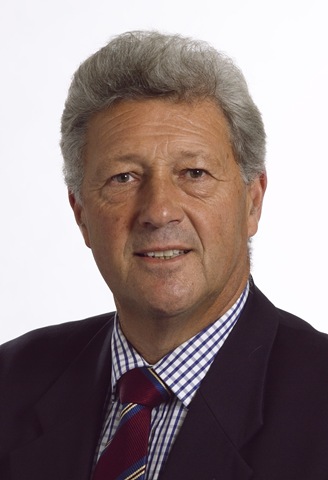 regional papers today.
The Eastern Daily Press describes how hopes for a dual carriageway to span Norfolk as a major European route were scrapped surreptitiously by Eurocrats.
Robert discovered this was because our government was not expected to upgrade the A47 before 2020, so it was downgraded from the transEuropean network of major routes linking key economic towns and cities across the European Union. It’s a huge blow for the rural community.
Only nobody in Norfolk was told about it, there was no joined-up thinking.
Robert also has a column in the East Anglian Daily Times outlining his views on energy which have been printed below:
The arrival of the new year has seen warnings from some energy companies of increased prices for electricity and gas by up to 13% and 18% respectively. It is clear that long term strategies need to be devised to meet the demand for energy in the future. It is, therefore, important that policies devised in Brussels make good use of public money and provide practical long term solutions, rather than unsustainable, short term ideas. It is also at times like these that co-operation between Britain and other states is essential in order to cater for the needs of the UK population.
As an MEP for the Eastern region, and a member on the Environment Committee in the European Parliament, I am proud that East Anglia is right at the heart of the energy debate and that in many ways it has been the pioneer for energy production, both renewable and non-renewable. We have wind farms in the North Sea, the bio-fuel plant at Wissington, as well as news this week that wave-power is coming to the region. I was interested to hear that Essex-based Trident Energy is currently seeking permission to site its prototype wave energy converter off the coast at Southwold. If successful, this could set the precedent for the creation of a series of wave farms around the UK coastline and help reduce carbon emissions.
Without being over-sceptical, it is important to point out that renewable energy is not the sole answer, or indeed the perfect answer, to our energy demands at present. The efficiency of wind and wave farms needs to be improved if they are to become a major player on the energy scene in the future; both require further research and development. What the UK needs is an effective mixture of energy sources, both renewable and non-renewable, and investment so that in 25 years time, we can maybe look to push further with cleaner energy – the switch is not going to happen overnight. Bio-fuels, for example, are worth pursuing, but investment needs to be made so their emissions can be cut and a supply of the raw material can be guaranteed. Few farmers will commit to bio-fuel production when grain prices are so high, and, as sugar beet prices have slumped then the Wissington factory may be over optimistic in thinking that farmers will have surplus sugar beet to send in by the lorry load.
In many ways, East Anglia is a prime example of having the mixture of energy sources that we need. While nuclear power is still controversial among some circles, it is clear that the government wishes to push ahead with developing new power stations in the future. It has just proposed the construction of new plants, most likely at existing sites where ageing facilities need replacing. Bradwell, in Essex, will most likely be on the list, as will Sizewell in Suffolk, both of which could provide employment opportunities for local people and housing for the future. I firmly believe that alternative forms of energy to fossil fuels should be pursued, but if nuclear power is an option, then management of nuclear waste needs to be considered very carefully and invested in appropriately so that in future years, we are not left scratching our heads.
Recent Comments