
We naturally want our loved ones to live a healthy and happy life. But life can be cruel and deal us very different cards to the ones we would like.
Imagine being robbed of a life that was once fulfilling and stimulating, suffering constant agony and unbearable pain day after day, perhaps having an excrutiating terminal illness, being unable to perform the smallest task or communicate.
I could still care for that person regardless, but if that person felt there was no quality of life remaining, that they wanted to die, then this is something we should acknowledge. There are exceptional cases when these people should be able to have the final say on the last chapter of their life, to choose an assisted death.
It would cause me considerable anguish if someone close to me chose to die this way, but I believe it is a very brave decision taken in exceptional and desperate circumstances, a last resort, and a decision we should respect. The greatest difficulty must be for the loving families who are left behind, but isn’t that better for them than a lonely suicide?
There are families faced with this dilemma who want to see the Government face this head on, rather than be forced to travel abroad. Doctors in Europe agree with this, but Switzerland remains most sympathetic country.
It’s not just our terminally ill that need our understanding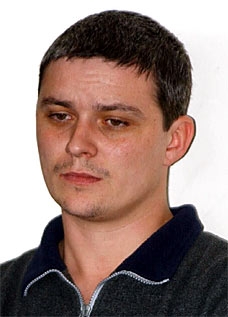 regarding their choice to die, but also our country’s most reviled prisoners serving life sentences who repeatedly commit suicide, or clearly want to end their life, like Ian Huntley, Fred West, Harold Shipman and Ian Brady. Why not let them die if they choose to?
Public opinion is moving in this direction, and though it’s not easy to condone those who have a death wish, there are truly exception and thought-provoking cases where the law needs to be sympathetic, the Government should show it can deal with death, if not this one, which I doubt, then the next one led by David Cameron.
I have personal experience of this as my mother and I had watched a programme on Alzheimer’s together when she was still well and she said, “Shoot me if I ever get like that”. When she did have a very distressing, dementia-related illness which was obviously terminal I was, therefore, able to say that I wanted her to have no “futile” treatment and when the time came she died without pain. But I had to watch her suffer so much first and no one who has not watched a loved one in such agony can imagine what it is like. There is progress with more people making “living wills” and so on but the government does, as you say, have to be braver and face the issue. If someone succombs to a fast-developing dementia before they have had a chance to legally make their wishes known, it is very hard for the relatives to have a say in their treatment. There are too many people suffering unnecessarily. As for Huntley, Brady, etc., let them do it. But imagine the criticism any government which allows that to happen will get.
Welshcakes Limoncello, I think more families are faced with this traumatic decision than we realise, thank you for sharing your personal story with us. I can quite understand why more people are making “living wills”.
This, like the abortion issue, sees me have a pro-choice stance.
At a very young age I had to cope with a mother with Lupus whose worse nightmare was to end up with little or no brain function. Rather than risk brain damage we had a clear understanding that the switch is to be flicked in the event that things take a turn for the worse. Thankfully, nearly 10 years later and her health has improved, but the request and wish still stands.
Government and nation have got to “grow up” to this issue and stop treating it as tabboo. Life is precious, but it’s our choice what we do with it.
Mike, I know that Lupus can be devastating too, I’m glad your mother pulled round. Yes, our Government must deal with this issue, though death is largely a taboo subject. Life is certainly precious, and you realise just how much when its quality is impaired irretrievably.
The thing is, if Ian Huntley presfers to die, why should we help him? Is it better for the victims to know that he will suffer for 40 long years in a cell?
Separately, Ellee, thanks for that great URL you sent me.
Jean-Luc, You can take that view, but on the other hand, according to the Prisoner Officers’Association, it costs between £300,000-£500,000 extra having staff on permanenet suicide watch. How does that benefit anyone? Couldn’t that money be better spent elsewhere?
Ellee,
With regard to vicious convicted murderers you ask;
“Why not let them die if they choose to?”
I would rephrase that. Why not let make them die whether they choose it or not?
Hi Elle,
That is a tough one, It is just that we actually do not have the power to decide whether or not we want to live or die, I think that would be going against many beliefs of many different religions. However I have not been in a situation like that and I dont know the desperatness these people face! As for prisioners facing life sentences, I think they should be made to sit it out and letting them choose whether they want to live or die is not fair as they did not give their victims a choice! This is really a good and interesting post and I suppose there will never be a right or a wrong option!
Again good post Ellee. I agree with you that poeple who are suffering from chronic painful illness with no hope, should be given the right to take their own call. Well it will be a painful decision for the family too, but if they support the decision of the patient there should not be any hinderance. It will be a bold decision for any government to allow such deaths and there should be proper systems in place to see that it is not misused.
Well I dont see patients and prisoners on the same platform, so allowing such deaths to prisoners is an entirely different issue.
I read this yesterday Ellee, and read it again today. Still can’t decide. It’s a difficult one. Very thought provoking.
Elee, that’s an astronomical amount to have to spend for suicide watch. Perhaps a lot would prefer to see Huntley gone?