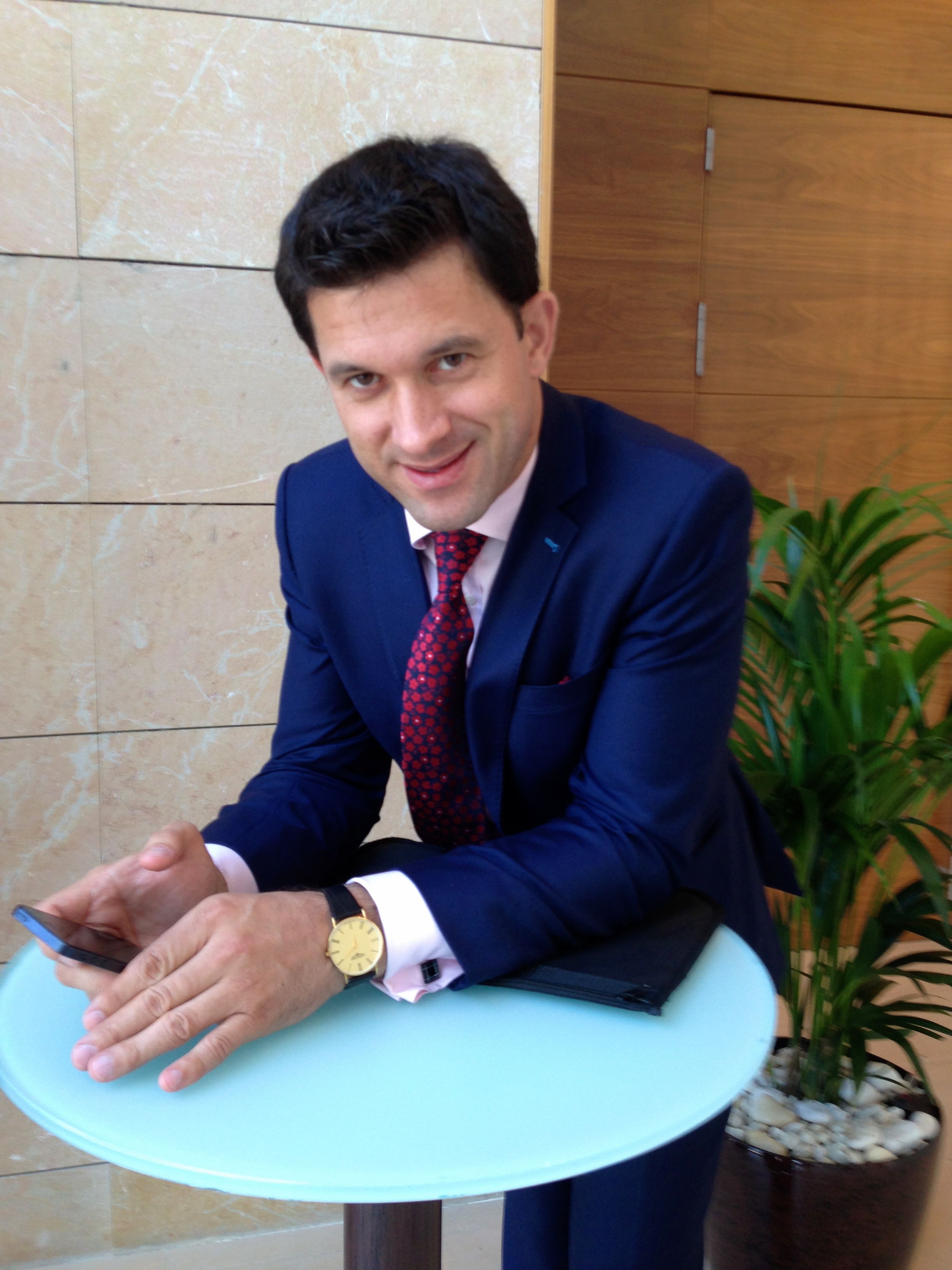
Six billion euros is up for grabs for NOGs from the European Commission to spend on health projects – but they must apply within the next six months before the time limit on this fund runs out.
Petru Luhan MEP has urged health NGOs to apply for a share of this funding before the 7 year project comes to an end. There are also billions available for Research and Development schemes within the same project.
I met Petru last weekend in Barcelona at the 2nd Colorectal Cancer Patient Conference and this is what he said:
He also advised delegates how to lobby their MEPs. He invited them to meet to come to Brussels and meet him or their own MEP and he offered to help their cause. No wonder he was voted one of the best health MEP 2013 by fellow MEPs! He passionately believes that all citizens in all EU Member States should have equal access to the best healthcare. Petru is a terrific champion of EuropaColon and advised delegates to work jointly with other organisations which share common goals to strengthen their voice and lobby politicians.
I had an incredible weekend in Barcelona with an incredible bunch of dedicated campaigners from all parts of Europe – and even Moscow- all desperate to improve the detection of colorectal cancer and improve the patient cancer.
It is one cancer that if diagnosed in early enough can make a huge difference to saving lives and the range of treatment offered as it can take up to 10 years for the cancer to become a killer. Colorectal cancer (also known as bowel cancer) is the second most common malignancy in Europe. More than 413,000 people are diagnosed with colorectal cancer every year, resulting in more than 212,000 deaths.
EuropaColon’s conference attracted world leading experts on this subject discussing the latest developments and challenges. There was much talk too about the role of governments in doing their bit to reduce incidence and mortality. The hot debate was about personalised medicines, and the resounding message was clear – healthy citizens result in a healthy economy, and this is why governments should take note and invest more in the health and well being of its citizens. We were also asked to consider if we can really afford pesonalised medicine as therapies once regularly prescribed to patients may no longer be found to be suitable for them, reducing the demand for these drugs, which in turn could force up the cost of new medicines used by small patient groups.
The increasing role of genetics and the importance of knowing your family’s medical history was highlighted too. It makes good sense for every family to have a medical family tree showing any diseases which family members died from, and a version of this was available at the conference from one EuropaColon’s proactive German groups. If GPs requested this information from all their patients, I wonder what positive difference it would make to the early detection of many of our common diseases – and not just cancer – but also heart disease and arthritis, MS and Alzheimer’s.
Recent Comments