This article appeared in today’s Times, as well as our letter from Antibiotic Action and fellow supporters.. Because of the Times’ pay wall which restricts readers, I have published the report here. Please do visit Times online if you are signed up to read the comments and join in the debate:
Race against time to find new drugs to beat superbugs
Patients face an “impending crisis†caused by the resurgence of life-threatening superbugs unless new antibiotics are developed as a matter of urgency, leading doctors warn today.
Simple infections could become deadly while whole swaths of modern medicine, from chemotherapy to hip replacements, could become impossible without effective antibiotics, the specialists say.
Government, pharmaceutical companies and charities must work together to develop new drugs or risk a public health crisis, they urge in a letter to The Times.
Bacteria are constantly evolving resistance to antibiotic drugs. The intensive use of the drugs in hospitals and their over-prescription for minor ailments have driven the evolution of bacteria that are resistant to numerous antibiotics.
“We don’t have many [drugs] left in the cupboard,†said Laura Piddock, Professor of Microbiology at the University of Birmingham and president of the British Society for Antimicrobial Chemotherapy.
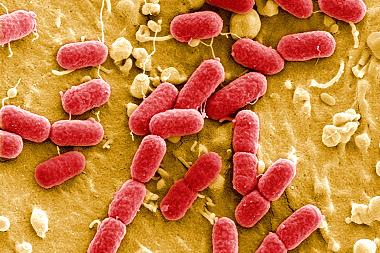
For superbugs such as E. coli, all but a handful of antibiotics are already ineffective. Other bacteria, from gonorrhoea to salmonella and tuberculosis,could become resistant to all drugs, leaving patients with the choice “either live with chronic infection or die of itâ€.
Professor Piddock said: “We have no way of telling whether this is going to escalate in months, or years, or decades, but we know it’s happening.â€
In their letter, she and 16 other senior doctors and academics write: “Without modern antibiotics, we face a situation where simple infections could become life-threatening. Routine medicine, including chemotherapy, transplant surgeries and joint replacements could become impossible.â€
From the 1930s to the 1960s, 14 classes of antibiotic were introduced, but since 1968 there have been only five. Only two antibiotics are thought to be currently in development, with pharmaceutical companies having largely withdrawn from an area that is highly complex and unprofitable.
Professor Piddock is leading a campaign, Antibiotic Action, which next week will present a petition signed by thousands of doctors to Downing Street calling for concerted action.
Stephen Whitehead, chief executive of the Association of the British Pharmaceutical Industry, said: “The increasing resistance to antibiotics poses one of the greatest challenges to modern healthcare. It is important for government and charities to invest in research and development, but the continued investment by the pharmaceutical industry will prove critical.
The Department of Health said: “We recognise this is a serious global health issue. We are considering a range of options on how best to stimulate the development of new antibiotic drugs.â€
The ones to watch:
Escherichia coli (causes UTIs and bacteremia)
Mycobacterium tuberculosis (cause of tuberculosis)
Neisseria gonorrhoeae (cause of gonorrhoea)
Salmonella typhi (cause of enteric/typhoid fever)
Staphylococcus aureus, including community-associated MRSA (Methicillin-resistant S. aureus)
Streptococcus pneumoniae (pneumonia)
Acinetobacter baumannii
Enterococcus faecium and Enterococcus faecalis, including VRE (Vancomycin-resistant enterococci)
Multidrug-resistant enteric pathogens, including Escherichia coli and Klebsiella pneumoniae producing ESBL and KPC enzymes
Pseudomonas aeruginosa
Stenotrophomonas maltophilia
Campylobacter species
Recent Comments